
Textures and Reliefs: How Touch Enhances Your Brand's Perceived Value
Touch also communicates.
In an increasingly visual and competitive environment, brands are seeking new ways to stand out and create memorable experiences. However, a brand’s impact depends not only on what is seen, but also on what is perceived. Textures and reliefs have become key tools within the brand design, as they add depth, personality, and a sensory dimension that helps strengthen the connection with the audience.
Incorporating tactile finishes into visual communication elements, packaging, signage, or corporate materials transforms a conventional impression into a more complete experience. This strategy not only enhances the aesthetic appeal but also strengthens the brand image and helps create a more distinctive identity.
When Design Goes Beyond the Visual
Most purchasing decisions are influenced by the emotions and feelings a brand conveys. For this reason, more and more companies are turning to strategies that create multisensory experiences.
Textures and embossing add value by providing an extra layer of interaction. An embossed logo, a surface with special finishes, or textured printing convey quality, attention to detail, and professionalism. These elements transform a simple visual element into a more memorable experience for the customer.
In visual branding, details make all the difference, and texture has become an increasingly common tool for reinforcing a brand’s personality.
The Role of Textures in Visual Identity
Visual Identity consists of all the elements that make a brand recognizable: colors, typefaces, shapes, images, and graphic styles. However, textures can also be part of this visual universe and become a distinctive element.
Matte surfaces, rough finishes, metallic effects, and embossed materials help convey specific values. For example, a natural texture can convey sustainability and approachability, while a sophisticated finish can reinforce a premium and exclusive image.
When these resources are used consistently, they help build a stronger and more recognizable visual identity.
How Textures Enhance Brand Image
Brand Image is built on all the perceptions customers have of a company. Every interaction counts, and physical elements continue to have a major influence on that perception.
Textured or embossed finishes create a sense of higher quality because they add value that goes beyond conventional printing. Customers often associate these details with brands that are more polished, professional, and committed to offering a unique experience.
In addition, these elements help capture attention and promote brand recall, which is especially important in saturated markets where it is becoming increasingly difficult to stand out.
Applications of Textures and Reliefs in Brand Design
The possibilities for incorporating textures into brand design are vast and can be adapted to different media and needs.
Corporate Signage and Branding
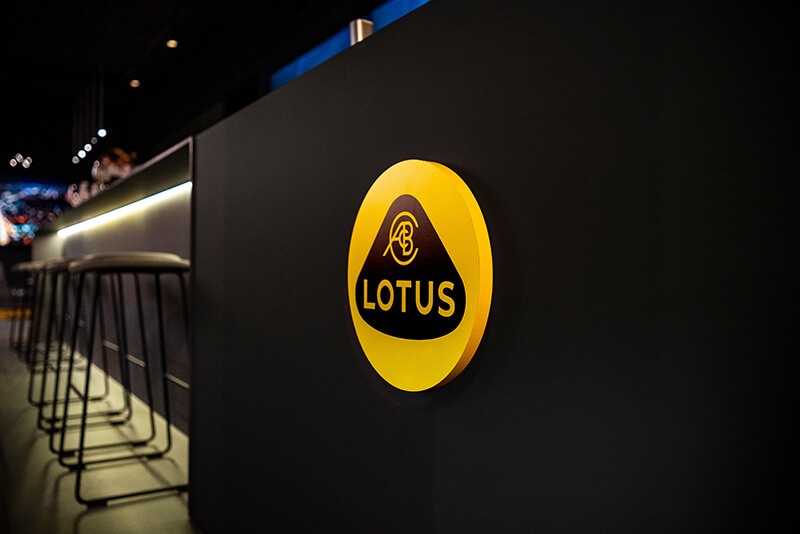
Signs featuring dimensional letters, embossed lettering, or special finishes create a much greater visual impact than traditional flat signs. They also add depth and a sense of quality that enhances the perception of the space.
Decal and Decorative Items
Incorporating textures into decorative vinyls or wall graphics helps create more dynamic and appealing environments, reinforcing the brand’s personality in offices, stores, or commercial spaces.
Packaging and Printed Materials
Business cards, catalogs, brochures, and packaging can incorporate tactile finishes that enhance the user experience and convey a more exclusive and professional image.
Retail Spaces and Brand Experiences
Textures can also be incorporated into a business’s interior design to create environments that reinforce the corporate identity and provide a more immersive experience for customers.
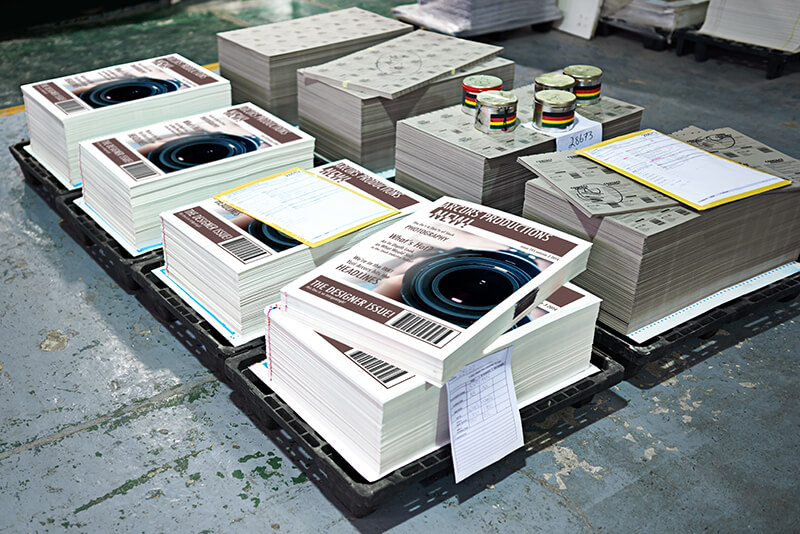
Visual branding and memorable experiences
Visual Branding today’s approach seeks to go beyond mere aesthetics. The most successful brands are those capable of evoking emotions and creating lasting connections with their audience.
Textures and reliefs help achieve this goal because they make the interaction with the brand a richer, more sensory experience. When a person can see and feel a brand at the same time, the emotional impact increases and the experience is more memorable.
This combination of design and sensory experiences allows us to create a more authentic and distinctive form of communication that stands out from more conventional visual approaches.
The Importance of Choosing the Right Finishes
Not all textures convey the same message. That is why it is important to select finishes based on each brand’s values and objectives.
A company seeking to project innovation can opt for modern materials and sophisticated surfaces, while a sustainability-focused brand may choose natural or recycled finishes. The important thing is that there is consistency between the tactile experience and the message the brand wants to convey.
When visual and sensory elements work together, brand perception becomes much stronger and more effective.
Contact us and discover how a luminous sign can make your business stand out… always.
📍 Visit us at: www.grafiksestudio.com
Request your quote today!